


Research Chairs are awarded to experienced researchers recognized as world leaders in their field. Chairholders help push back the frontiers of knowledge in their field, not only through their own work, but also by supervising students, teaching and coordinating the work of other researchers. (Source: Canada Research Chairs).

Dr. Alexandre Caron
Chairholder of the Canada Research Chair in Neurometabolic Pharmacology
Neurometabolic pharmacology is the study of substances that affect energy and glucose metabolism by acting on the nervous system. It is a new discipline that examines the interactions of natural and chemical molecules with neurons and receptors in the central and peripheral nervous systems (sympathetic, parasympathetic and enteric). The work of Dr. Alexandre Caron, Canada Research Chair in Neurometabolic Pharmacology, is based on the innovative premise that obesity and type 2 diabetes are diseases of the nervous system, resulting from poor communication between the brain and metabolic organs. His laboratory combines cutting-edge techniques in molecular genetics, neurobiology, pharmacology and metabolic phenotyping. Its mission: to discover molecular and pharmacological targets to better understand and treat metabolic diseases, with the aim of advancing the fields of obesity and type 2 diabetes, while training the next generation of scientists.
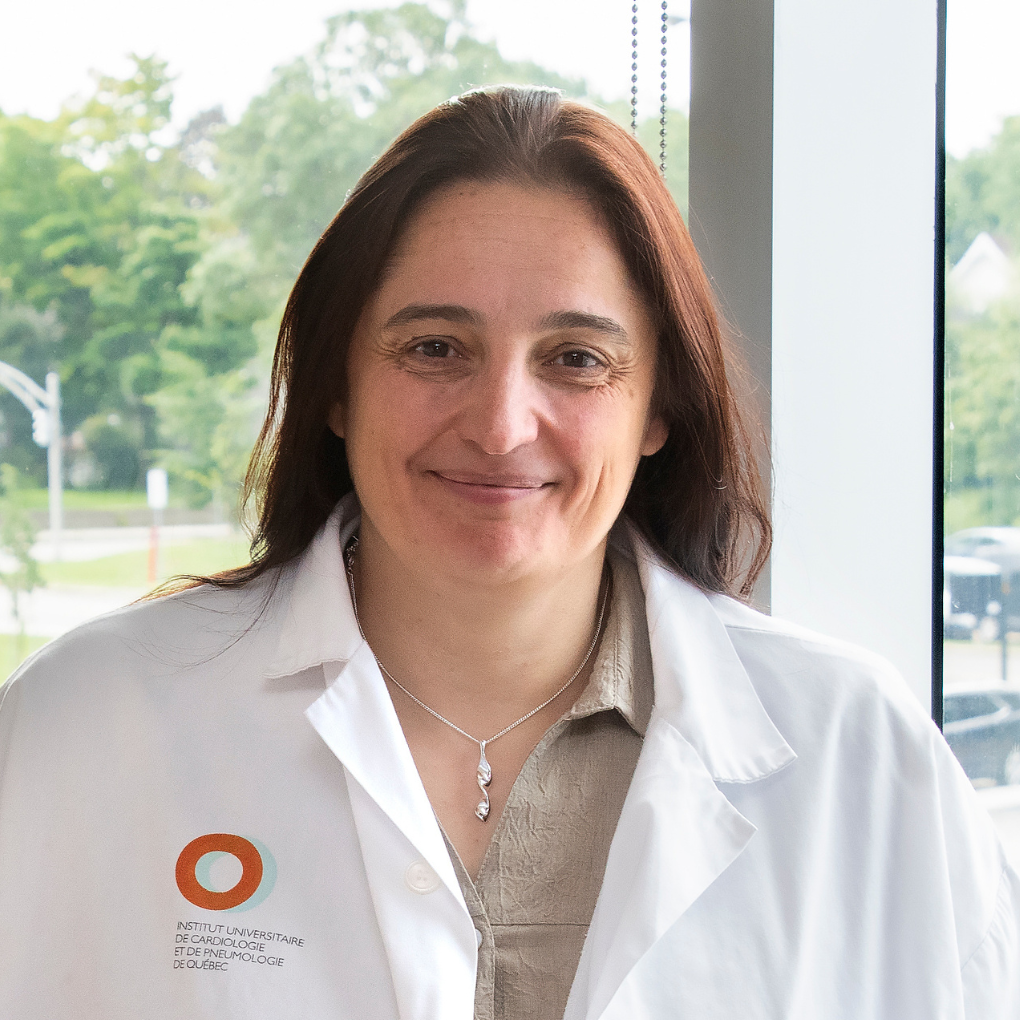
Dr. Marie-Annick Clavel
Chairholder of the Canada Research Chair in Women’s Heart Valve Diseases
The main objective of this research chair is to characterize the differences between men and women in the pathophysiology, diagnosis and treatment of heart valve disease. Every year in Quebec, over 50,000 people live with aortic stenosis, 8,000 undergo surgery because there is no medical treatment, and 6,000 die. nfortunately, these figures are constantly rising. Despite the fact that half of all patients are women, the vast majority of studies on the pathophysiology and evaluation of possible medical treatment have been carried out in men, or in populations with a large majority of men. Consequently, the characterization of the difference between the sexes has not been evaluated.
Dr. Clavel’s team has demonstrated that the pathophysiology of aortic stenosis is influenced by the patient’s sex, and that management should therefore differ between men and women. This characterization of the gender difference will enable the development and validation of gender-specific strategies for the assessment and management of cardiac valvular diseases, in particular aortic stenosis. In the search for a therapeutic solution, the gender of patients must be taken into account, and this is the main objective of this Chair.

This chair, the only one of its kind in the world, will integrate the study of the microbiota – henceforth recognized as the second human brain – into conventional approaches in order to shed light on the mechanisms modulating the metabolic health regarding eating habits. Thus, it will help to generate new therapeutic approaches as well as to design innovative nutritional and medical strategies to maintain health and to prevent obesity-related metabolic complications. This multifactorial disease is considered one of the most important 21st century societal challenges.
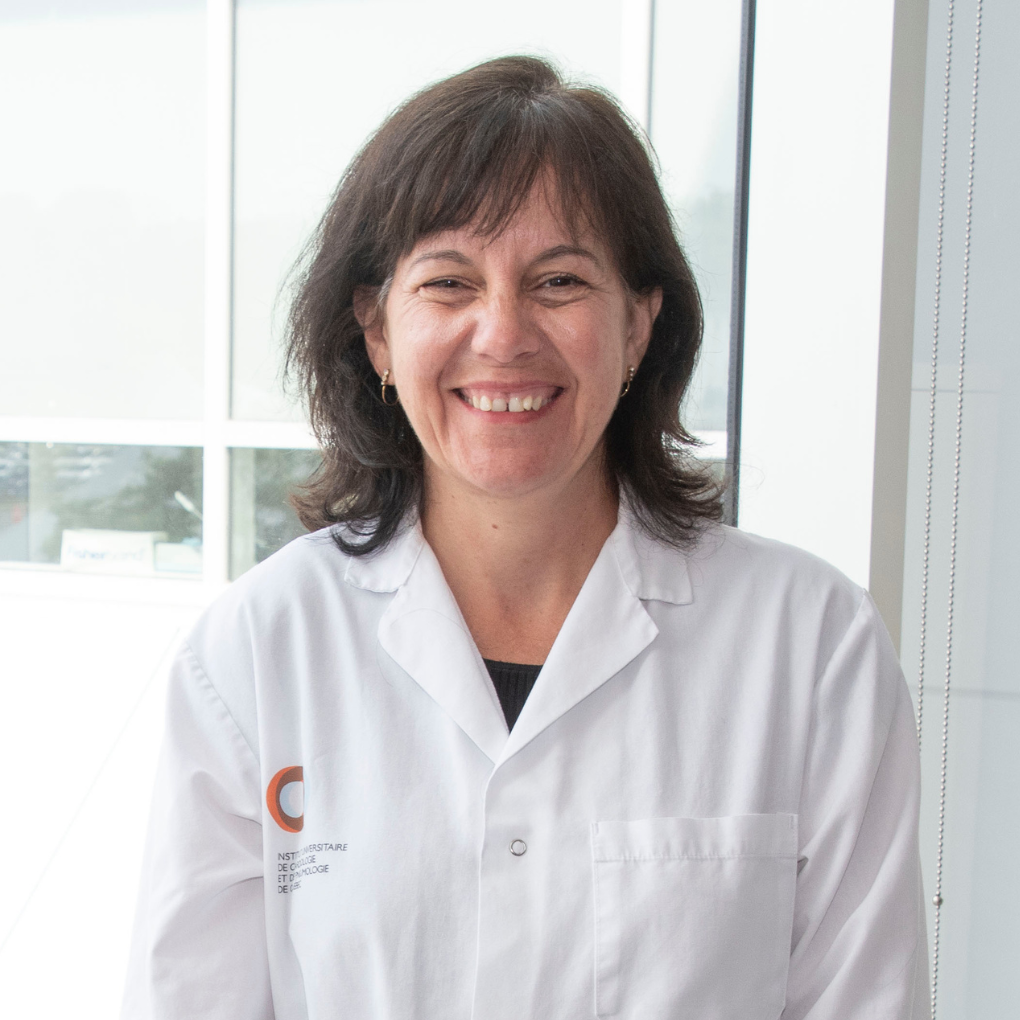
Dr. Caroline Duchaine
Chairholder of the Canada Research Chair in Bioaerosols
The Canada Research Chair on Bioaerosols aims to consolidate, develop and structure bioaerosol research at the Canadian level, and to raise its profile internationally. The Chair’s main areas of research are: 1) the development of new approaches for assessing human and animal exposure to bioaerosols; 2) the study of bioaerosol behaviour and transport; 3) the development and application of bioaerosol control technologies to limit their spread; 4) the identification of new markers of exposure to bioaerosols; and 5) the training of scientists and the transfer of knowledge.

Dr. Natalie Jane Michael
Chairholder of the Sentinelle Nord Research Chair in Sleep Pharmacometabolism
Chairholder of the Canada Research Chair in Neurobiology of Metabolism and Sleep
Sentinel North partnership research chair on sleep pharmacometabolism
This Chair aims to determine how key neuronal populations in the brain, known to regulate sleep and wakefulness, detect changes in energy homeostasis. We will study how the function of these neurons is altered by factors associated with energy surplus. We will also define the pathophysiological changes that occur in these systems following the administration of drugs commonly used for the treatment of allergies and mental health problems. In addition, we intend to define the functional and behavioral impacts of disruptions in arousal circuitry. This work is particularly important for populations in northern Canada, which are subject to significant seasonal fluctuations in photoperiod, and where the burden of obesity is particularly pronounced.
Canada Research Chair in Neurobiology of Metabolism and Sleep
This Chair operates in a context where obesity, now a true global epidemic, has risen in parallel with a marked decline in both sleep duration and quality. It seeks to better understand the bidirectional relationships between sleep disorders and metabolic diseases by investigating the brain circuits and cellular mechanisms that largely remain unknown and that underlie these interactions. Its mission is to develop robust conceptual frameworks and to identify the physiological mechanisms through which sleep and energy homeostasis influence one another. By studying key neuronal sites where metabolic and arousal-related signals converge, the Chair aims to generate knowledge with direct clinical impact, particularly for the prevention and management of cardiovascular diseases and type 2 diabetes, which represent a significant burden on the healthcare system. Through its multidisciplinary approach and the use of state-of-the-art neuroscientific techniques, it also contributes to training the next generation of highly qualified scientists.
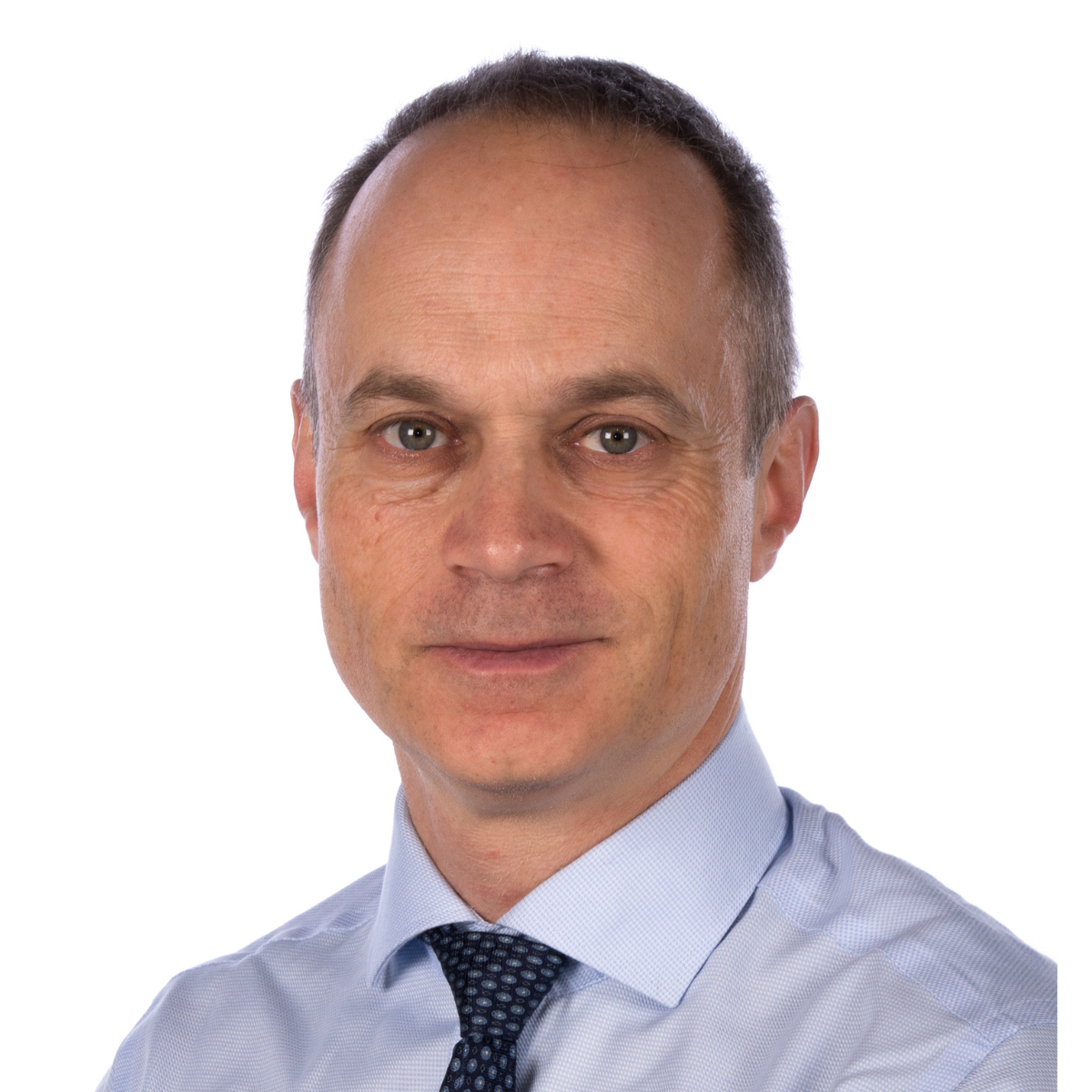
Lung cancer is the deadliest cancer in Canada, with a five-year survival rate of 22%. The main objective of this Chair is to develop predictive biomarkers that can be implemented in a clinical setting to improve the management of patients who have undergone lung cancer resection. This research has the potential to make vital contributions to the field of lung cancer, providing new clinical decision biomarkers to improve clinical outcome after surgery. It will also help train the next generation of students in cancer biology, immunology and image analysis using state-of-the-art technologies.
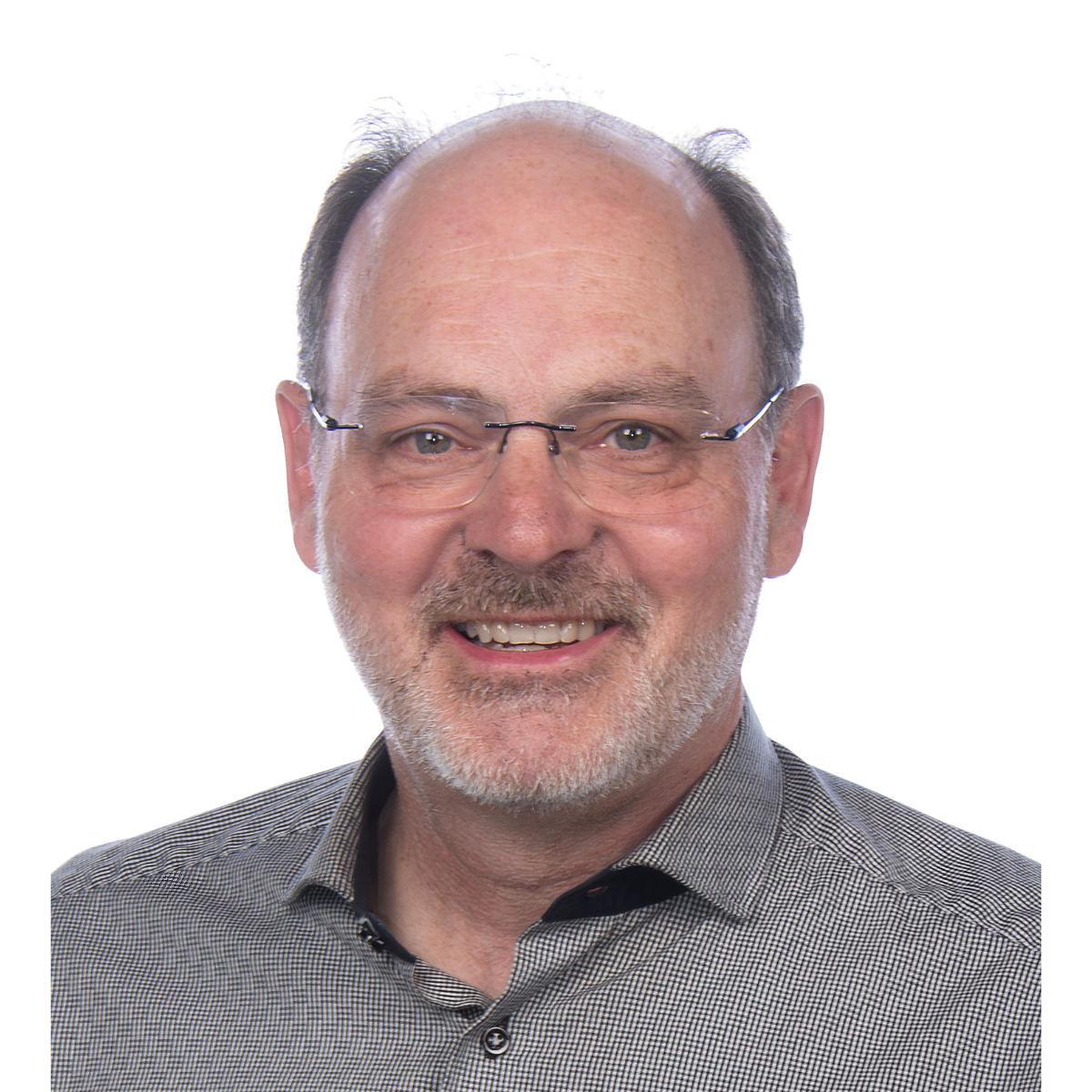
Dr. François Maltais
Co-Chairholder of the Chaire de recherche en maladie inflammatoire des voies aériennes GSK-AZ

Dr. Andréanne Côté
Co-Chairholder of the Chaire de recherche en maladie inflammatoire des voies aériennes GSK-AZ
This Chair, hosted at the Centre de recherche de l’Institut universitaire de cardiologie et de pneumologie de Québec, operates in a context where chronic obstructive pulmonary disease (COPD) is the fourth leading cause of death worldwide and represents a major economic burden, with healthcare costs estimated at nearly $3 billion annually in Canada. Although treatable and partially preventable, COPD remains irreversible and is characterized by progressive shortness of breath, often accompanied by loss of muscle mass and strength that significantly impairs quality of life.
The mission of the Chair is to better understand the mechanisms underlying skeletal muscle dysfunction associated with COPD in order to improve treatment strategies, prognosis, and quality of life for affected individuals. Supported by a unique research environment that brings together clinician-scientists and basic researchers, and in collaboration with the Instituts de recherche en santé du Canada, GlaxoSmithKline and AstraZeneca, the Chair aims to strengthen research on COPD, including chronic bronchitis and emphysema, and to promote the development of pulmonary rehabilitation programs that improve access to care and the quality of treatment provided to patients.
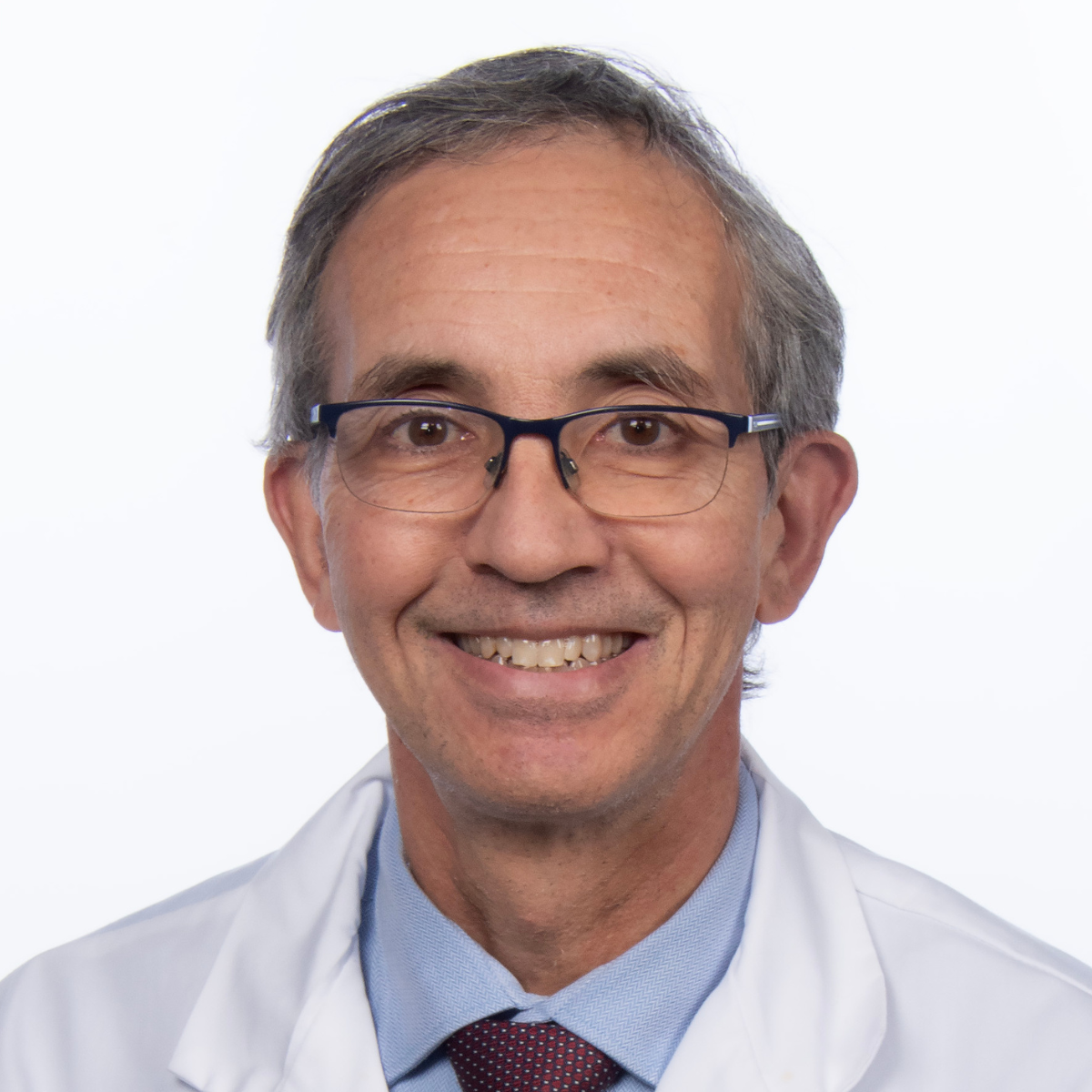
Dr. Philippe Pibarot
Chairholder of the Canada Research Chair in Heart Valve Diseases
Around 100,000 cardiac valve surgeries are performed annually in North America, and this number will likely double within 15 years. The prostheses currently available for surgery are not perfect and can cause various complications. Through his work, Dr. Pibarot aims to not only create new, better-performing prostheses, but also to develop a strategy for choosing the most appropriate prosthesis according to individual patient characteristics.
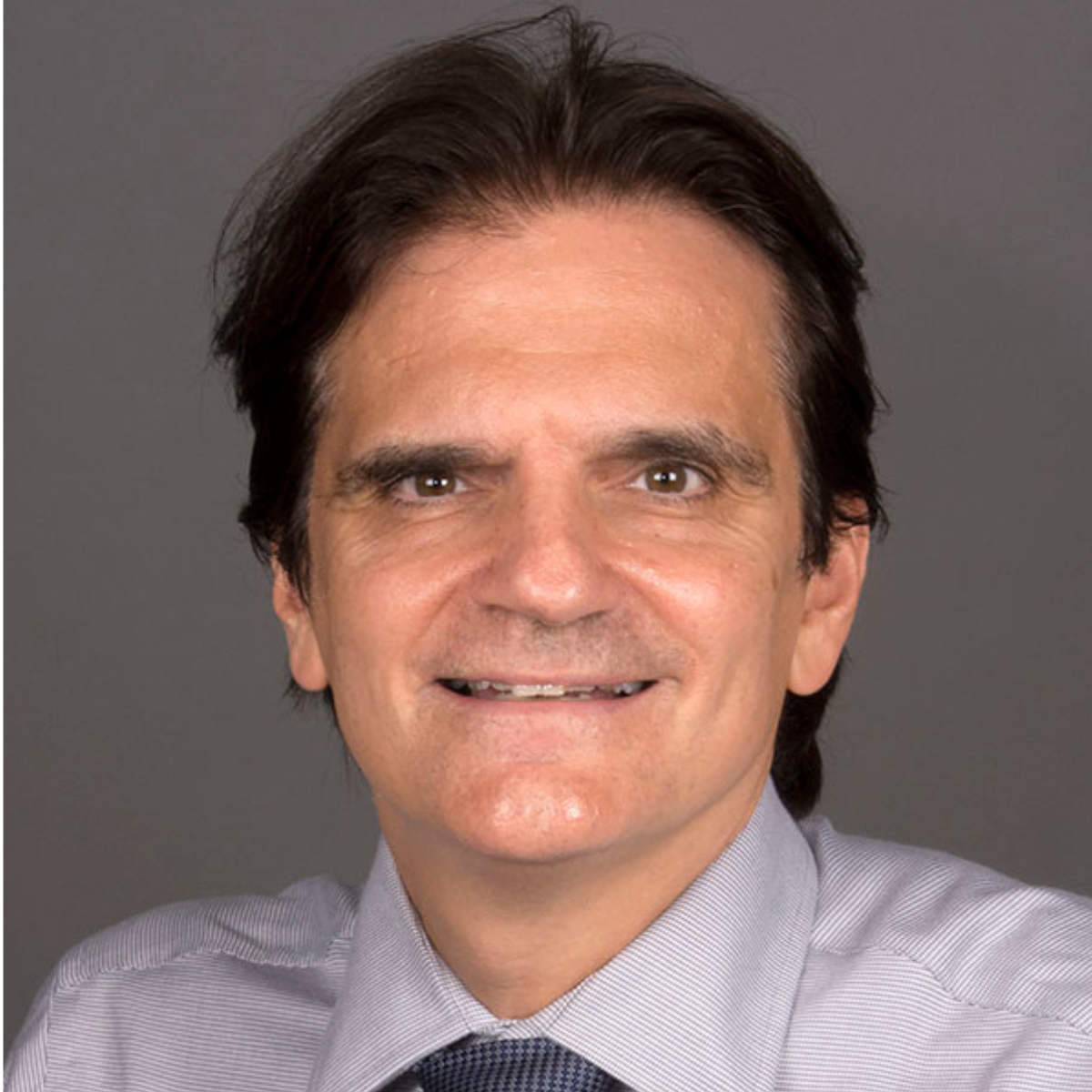
Held by Dr. Josep Rodés-Cabau, this chair was created in April 2017. It specifically targets developing and pursuing the research with respect to procedural options for invasive surgery to treat high-risk patients with structural heart diseases. In a five-year horizon, the chair wishes to develop new technologies and procedural methods that will help improve the quality of life and outcomes for these patients.

Dr. André Tchernof
Chairholders of the Chair in Bariatric and Metabolic Surgery
Since the late 1970s, the prevalence of severe obesity, which is defined as a body mass index greater than 40, has increased by 233% in Canada, from 0.9% to 2.1% of the adult population. Until now, bariatric surgery is the only treatment that can actually produce a significant and sustained weight loss for people with severe obesity. This involves decreasing the size of the stomach and reorganizing the small intestine, both leading to a sensation of early satiety and a reduced absorption of ingested foods. This chair will, among other objectives, ensure optimal management of people waiting for this surgery, improve monitoring practices of operated patients and develop methods of minimally invasive therapeutic interventions for people with severe obesity.